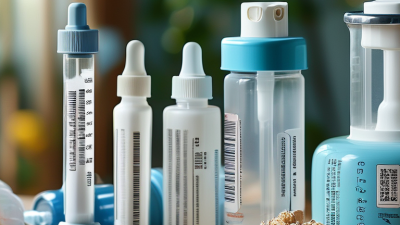
When it comes to home medical supplies, making informed choices is crucial. These essential items play a significant role in daily health management for many individuals. From mobility aids to first aid kits, reliable supplies can make a difference.
However, navigating the vast market of home medical supplies can be overwhelming. Buyers must consider quality and effectiveness. Not every product advertised is truly reliable. Understanding the specific needs is a must for making the best purchase. Researching brands and reading reviews can provide valuable insights.
It's also important to reflect on personal situations and potential future needs. What works today may not serve tomorrow. Awareness of changing health requirements can guide buyers toward more suitable options. Ultimately, having the right home medical supplies can foster independence and improve quality of life.

Choosing home medical supplies can be overwhelming. It’s essential to consider your specific health needs before making any purchases. Consult with healthcare professionals for personalized advice. They can identify the necessary items for your situation. This step is crucial; it ensures you don’t waste resources on unnecessary products.
Quality should be a priority. Look for supplies that meet safety standards. Research different materials and their effectiveness. While cheaper options may seem appealing, they often lack reliability. Reading reviews and seeking recommendations can provide helpful insights. However, not every recommendation will suit your needs. Be cautious and critically evaluate suggestions.
Accessibility is another factor. Ensure that the supplies are easy to obtain and order. Consider the delivery options available in your area. This helps prevent delays in critical situations. It’s also wise to assess storage requirements for larger items. If space is limited, you might need to adjust your choices. Remember, every detail matters when it comes to effective healthcare at home.

When considering home medical supplies, it's crucial to understand the types available. Mobility aids include wheelchairs, walkers, and canes. These devices help individuals maintain independence. They support better movement within the home and outdoors, enhancing quality of life.
Another common category is personal care supplies. Items like gloves, catheters, and wound care products are essential for daily hygiene. They can prevent infections and ensure comfort for patients. It's important to select high-quality products for these purposes.
Lastly, monitoring devices play a significant role. Blood pressure monitors, glucose meters, and thermometers help track health metrics. Regular monitoring can prevent complications. However, accuracy can vary across devices. Therefore, buyers should research and read reviews before making a purchase. Ultimately, while many supplies are available, choosing the right ones requires careful consideration. Each decision impacts health and well-being.
| Type of Medical Supply | Description | Common Uses | Recommended Features |
|---|---|---|---|
| Wheelchairs | A chair with wheels used for individuals who have difficulty walking. | Mobility assistance, transportation | Lightweight, foldable, adjustable footrests |
| Crutches | Supportive devices used to assist with walking after injury. | Post-surgery recovery, injury support | Adjustable height, ergonomic grips |
| Blood Pressure Monitors | Devices that measure blood pressure levels. | Hypertension management, health monitoring | Digital display, memory function, cuff size options |
| Oxygen Concentrators | Devices that provide oxygen therapy to patients with breathing difficulties. | Chronic obstructive pulmonary disease (COPD) treatment, sleep apnea support | Portable, low power consumption, adjustable flow rates |
| First Aid Kits | Contain a variety of supplies for treating minor injuries and emergencies. | Wound treatment, emergency response | Durable case, comprehensive supplies, clear organization |
| Thermometers | Devices for measuring body temperature. | Fever monitoring, health assessment | Digital display, quick reading, multi-use options (oral, rectal, axillary) |
The quality and safety of medical supplies are critical for consumers worldwide. A recent report from the World Health Organization indicated that up to 10% of medical products in low- and middle-income countries are substandard or falsified. This underlines the importance of evaluating quality when purchasing essential medical supplies. Buyers should actively seek products that comply with international safety standards. This could mean looking for certifications that validate the integrity of the supply.
When assessing products, consider their materials and manufacturing processes. High-quality medical supplies should be sourced from manufacturers who follow Good Manufacturing Practices (GMP). Industry studies show that adherence to these practices significantly reduces the risk of contamination and ensures better performance. However, many suppliers may not disclose their manufacturing processes. This can create challenges for buyers who want transparency in product sourcing.
Engaging with regulatory bodies can offer insights into the safety standards of medical supplies. Consumers should verify if products are approved or recommended by health authorities. While it can be challenging to navigate this landscape, being proactive is essential. Be mindful that not all suppliers will provide reliable information, which can lead to confusion. Understanding these nuances will empower consumers to make informed choices. Quality and safety should never be compromised in the pursuit of medical supplies.
Purchasing medical supplies can be daunting, especially for those new to the process. One effective strategy is to compare prices across various suppliers. Many organizations offer similar products at different price points. By conducting thorough research, buyers can identify where to save money without compromising quality.
Buying in bulk is another cost-effective strategy. Often, suppliers provide discounts for larger purchases. This approach not only reduces the per-unit cost but also ensures you have essential supplies on hand. When considering a bulk order, ensure that the items have a long shelf life. This avoids waste and enhances your savings.
Consider watching for seasonal sales or promotions. Many suppliers periodically offer discounts, especially during health awareness months. Joining mailing lists can keep you informed about these opportunities. However, be cautious with impulse buys during these promotions. It's essential to assess your actual needs before making a purchase. Each decision, big or small, impacts your budget and overall preparedness.
Accessibility is a major concern when buying medical supplies worldwide. Different regions have various levels of healthcare infrastructure, affecting delivery times and availability. It’s essential to understand local regulations that may impact the importation of certain medical items. Buyers must be aware that delays can occur due to customs clearance or shipping restrictions.
When searching for medical supplies, consider using international suppliers with strong logistics networks. Check their reviews and customer feedback on trustworthiness. This allows for better choices regarding reliability. In some cases, local suppliers may offer faster and more efficient service. Sometimes, they provide unique items tailored to specific needs.
Researching local health regulations is crucial. Some products might not be allowed in your area. Understanding these guidelines can prevent frustrations later. Seek feedback from local healthcare professionals who can suggest reputable suppliers. Ensure you're choosing products that meet your specific medical needs. The journey to acquiring essential home medical supplies can be tricky, but informed decisions lead to better access.
2382 Faraday Avenue, Ste 300
Carlsbad, CA 92008
The materials on this website are for your general educational information only. Information you read on this website cannot replace the relationship that you have with your healthcare professional. We do not practice medicine or provide medical services or advice as a part of this website. You should always talk to your healthcare professional for diagnosis and treatment.
©2025 Breg, Inc. All rights reserved. All trademarks and registered trademarks are owned by the copyright holder.