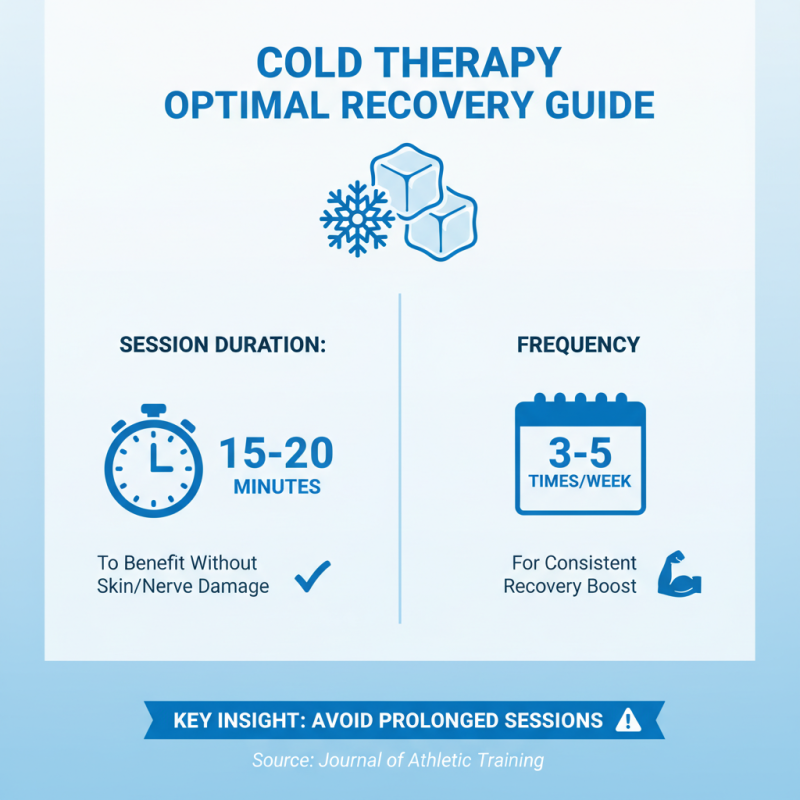
10 Essential Tips for Using Breg Cold Therapy Effectively
Effective recovery is crucial for athletes and those undergoing rehabilitation. Breg cold therapy offers a practical solution for pain management and swelling. However, using it effectively requires knowledge and attention. Many users may overlook essential tips that enhance its benefits.
One common mistake is the duration of application. Users often apply the therapy for too long or too short. The ideal time varies with individual needs and conditions. Consistency also matters; sporadic use may not yield the expected results. Furthermore, understanding the right temperatures can significantly impact the effectiveness of Breg cold therapy.
It’s important to personalize the approach. Every individual responds differently to cold therapy. Experimenting with settings and schedules is vital. While these tips can guide, reflection on personal experiences will lead to better results. Embracing trial and error is part of mastering Breg cold therapy.
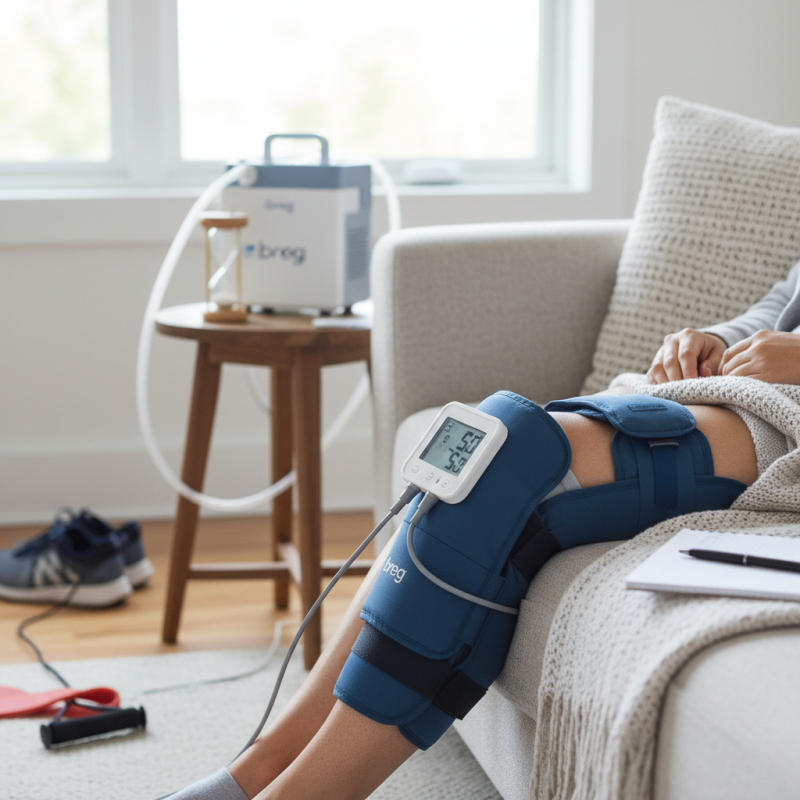
Understanding Breg Cold Therapy: Benefits and Applications
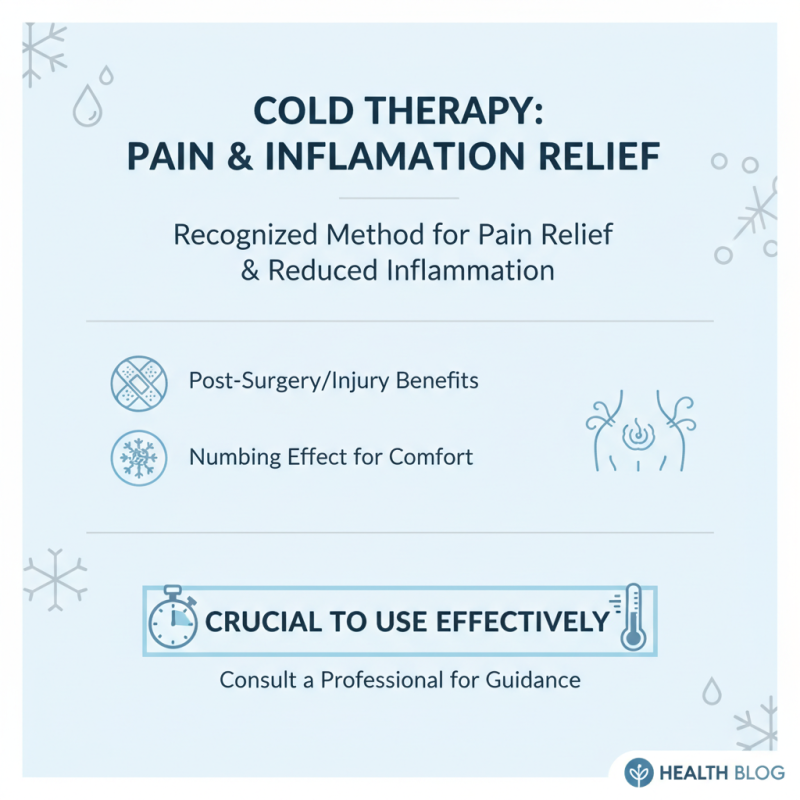
Cold therapy is a widely recognized method for pain relief and reducing inflammation. Many people seek its benefits after surgeries or injuries. The application of cold can numb the area, making it more bearable. However, it's crucial to understand how to use this therapy effectively.
One common benefit of cold therapy is its ability to minimize swelling. When applied soon after an injury, it constricts blood vessels. This slows down the body's inflammatory response. Many practitioners recommend applying cold packs for 15-20 minutes at a time. It’s important to check skin temperature often. Overuse may lead to frostbite or other skin issues. Users can sometimes underestimate the power of extreme cold.
Additionally, cold therapy can enhance recovery. Athletes often rely on it post-training. Still, it’s not a one-size-fits-all solution. Some individuals feel discomfort with cold applications. Listening to your body is key. Experimenting with duration and frequency can help find what works best for you. Always remember that cold therapy suits some but not all. Making adjustments based on personal experience will yield the best results.
Selecting the Right Breg Cold Therapy Device for Your Needs
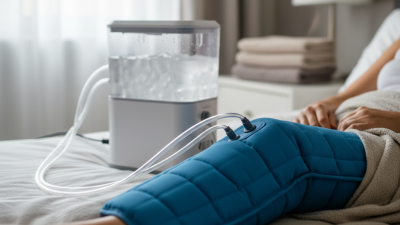
When selecting the right cold therapy device, consider your specific needs. Different conditions may require varying levels of ice therapy. A recent industry report noted that patients often find various devices could impact recovery times. Understanding how each device works is key.
Tip: Assess your injury type. A knee issue might benefit from a targeted device, while an ankle injury could need a wrap-around design. The fitting comfort matters greatly. Ill-fitting devices can hinder recovery. In a survey, 25% of users reported discomfort as a major issue. This suggests a need for careful selection.
Tip: Look for adjustable temperature settings. Cooling should be effective yet gentle. Overcooling can lead to tissue damage. Some studies show improper use increases recovery times. It's essential to monitor how your body reacts.
A well-chosen cold therapy device can significantly aid in recovery. Be cautious, however; misuse may counteract benefits.
10 Essential Tips for Using Breg Cold Therapy Effectively
| Tip Number |
Tip Description |
Recommended Usage |
| 1 |
Choose the Right Size |
Ensure the device fits the treatment area. |
| 2 |
Pre-cool the Device |
Chill the device in the freezer for optimal cooling. |
| 3 |
Limit Session Duration |
Use for 15-20 minutes at a time to avoid skin damage. |
| 4 |
Wrap the Area |
Use a towel or cloth to wrap the device before application. |
| 5 |
Stay Hydrated |
Drink water before and after sessions to stay hydrated. |
| 6 |
Adjust Temperature Settings |
Start with a lower setting and increase as necessary. |
| 7 |
Use Regularly |
Incorporate therapy into your daily routine for best results. |
| 8 |
Listen to Your Body |
Stop if you feel excessive pain or discomfort. |
| 9 |
Consult with Healthcare Provider |
Get professional advice for specific conditions. |
| 10 |
Store Properly |
Keep the device in a cool, dry place when not in use. |
Monitoring Skin and Tissue Response During Cold Therapy
Monitoring skin and tissue response during cold therapy is crucial for effective use. Cold therapy can reduce swelling, but it also has potential risks. Users should keep an eye on skin color and temperature. Continuous exposure may lead to frostbite or skin irritation. A clear understanding of your body's signals is essential.
It's important to check for changes in sensation. Numbness can indicate excessive cold exposure. If the skin becomes red or purple, it might signal damage. Taking breaks between sessions can prevent issues. Not everyone reacts the same way. Some might feel discomfort quicker than others. Being aware of these differences is vital.
Using a towel or soft cloth can serve as a barrier. This simple step protects the skin from extreme temperatures. However, relying solely on barriers may not be enough. Always assess the area being treated. Avoid pushing through pain during therapy. Listening to your body's feedback leads to better outcomes. Each session is a learning experience.
Combining Breg Cold Therapy with Other Rehabilitation Techniques
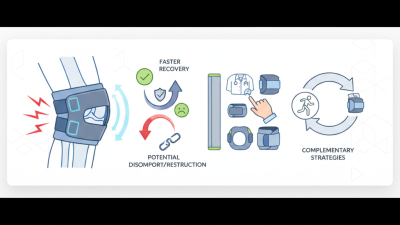
Combining cold therapy with other rehabilitation techniques can enhance recovery. The cold soothes inflammation and reduces pain. It can be an effective tool when used alongside physical therapy exercises.
One essential tip is timing. Use cold therapy before physical therapy sessions. This can increase comfort during movement. After your session, reapply cold therapy to minimize any post-exercise swelling. Remember to listen to your body. Not everyone responds the same way to treatment.
Another tip is to vary the intensity of your rehabilitation techniques. While cold therapy calms down inflamed areas, light stretching can aid flexibility. Balance is key. However, don’t push too hard. Mild discomfort is okay, but sharp pain signals a need to stop. Evaluating your progress frequently is vital. Adjust your routine based on how your body feels.
10 Essential Tips for Using Breg Cold Therapy Effectively
This chart illustrates the effectiveness rating of different essential tips for using cold therapy in rehabilitation. Each tip is rated on a scale from 1 to 10 based on its importance and effectiveness in combination with cold therapy.