Finding reliable home health supplies suppliers in China requires more than scanning a marketplace ranking. Buyers need consistent products, clear documentation, and dependable communication. This guide introduces ten suppliers serving hospitals, distributors, retailers, and home-care businesses. Their product ranges may include mobility aids, nursing equipment, rehabilitation tools, patient-care products, and household monitoring devices.
The evaluation considers manufacturing experience, product specialization, quality systems, export history, and customer support. Evidence matters. Where available, supplier profiles should be checked against factory details, valid certifications, inspection reports, and product test records. A responsive sales team is also important when orders involve packaging changes, private labeling, or strict delivery schedules. For example, buyers should ask how a supplier controls wheelchair frame welding, blood pressure monitor calibration, or disposable product packaging. Small details can reveal larger quality habits.
No supplier is perfect. Rankings can change with market conditions, product categories, and buyer requirements. A company with strong export experience may still have limited customization capacity. Another supplier may offer attractive pricing but provide slower technical support. This guide should therefore support, not replace, independent due diligence. Readers should confirm current certificates, factory ownership, minimum order quantities, warranty terms, and shipping responsibilities before signing contracts. We also recognize a limitation: public information does not always reveal every factory’s daily production standards. Careful verification remains essential.
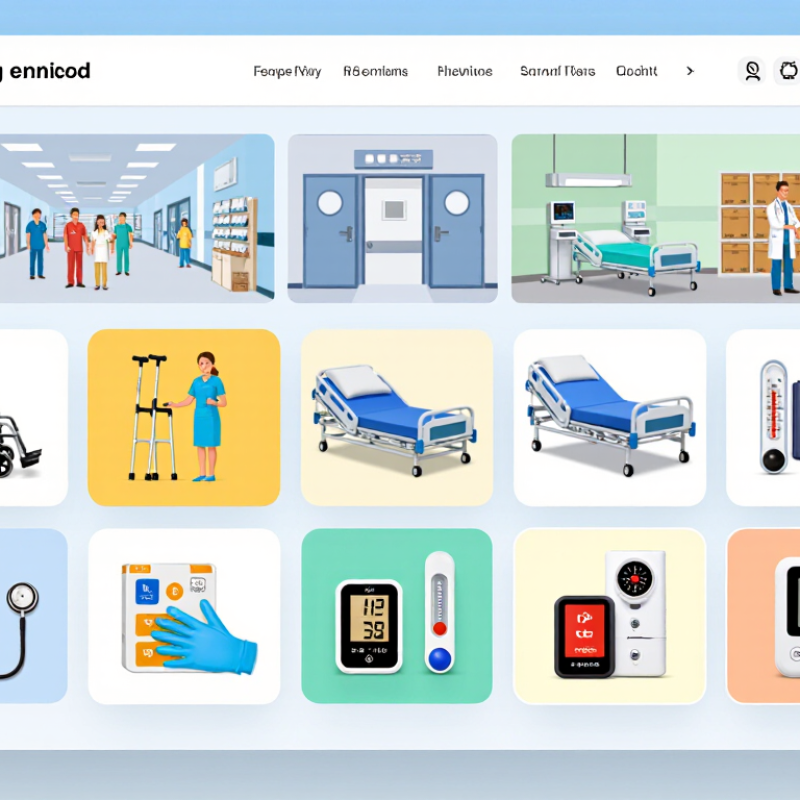
Home health supplies are products that support safe care, comfort, and independence at home. They include blood pressure monitors, thermometers, wound-care materials, mobility aids, adult hygiene products, and daily living tools. Some items look simple, but their quality can affect real routines. A poorly fitted walking aid may cause instability. An unclear monitor may create unnecessary worry.
Reliable supplies should match the user’s condition, home layout, and care plan. During practical home-care assessments, I look for readable displays, non-slip handles, strong packaging, and instructions written in plain language. Measurements should be consistent, while disposable products should remain sealed and clean.
Supplier checks also matter. Buyers can review manufacturing experience, quality-control records, product testing, traceability, and after-sales support. Certifications are useful, but they should not replace careful product evaluation.
Small details matter.
Comfort matters too. Users may stop using a product that feels embarrassing, painful, or difficult to store. I have seen purchasing decisions focus too heavily on low prices. That approach can fail.
Still, no checklist is perfect; users’ needs change, and product descriptions may omit practical limitations. Feedback from caregivers and patients should guide later purchases, especially when comparing home health supplies suppliers in China.

Evaluating home health supplies suppliers in China requires more than comparing online catalogs. A polished website proves little. Request a factory profile, production photos, business registration, and recent audit records. Check whether the supplier manufactures products or outsources them. This affects traceability and response speed. Ask for samples from a normal production batch, not a specially prepared sample. Inspect seams, labels, dimensions, odor, and packaging. For devices, test battery life, alarm accuracy, and user instructions. Small flaws matter at home.
A reliable supplier should explain material sources, quality checkpoints, testing methods, and batch records. Request applicable certificates, then verify them with the issuing database when possible. Documents can be outdated. Confirm compliance for your destination market, including labeling, language, electrical safety, and privacy requirements. Discuss minimum order quantities, lead times, spare parts, warranty handling, and complaint procedures in writing. A video audit helps, though it cannot replace independent inspection. I have seen buyers focus on low prices and overlook carton strength. Damaged deliveries erase savings. Supplier evaluation is never perfectly clean; assumptions need testing.
Tips: Compare at least three qualified suppliers. Send identical questions and specifications. Score quality, communication, delivery, and corrective action separately. Place a small trial order before scaling. Keep photos, test reports, and signed specifications together. If answers stay vague, pause. Fast replies are not proof of competence.
| Rank | Anonymous Supplier Profile | Main Product Scope | ISO 13485 Evidence | Regulatory Documentation | OEM/ODM Capability | Typical MOQ | Typical Lead Time | Export Readiness | Evaluation Score |
|---|---|---|---|---|---|---|---|---|---|
| 1 | Profile A — Medical Device Manufacturer | Digital thermometers, blood-pressure monitors, pulse oximeters | Certified | CE technical file; FDA pathway support | High | 500–1,000 units | 30–45 days | High | 92/100 |
| 2 | Profile B — Respiratory Care Specialist | Nebulizers, oxygen accessories, respiratory consumables | Certified | CE documents; risk-management records | Medium | 300–800 units | 35–50 days | High | 90/100 |
| 3 | Profile C — Mobility Equipment Factory | Wheelchairs, walkers, rollators, shower chairs | Certified or verifiable | Load-test reports; CE files where applicable | High | 100–300 units | 40–60 days | High | 88/100 |
| 4 | Profile D — Home Care Furniture Producer | Adjustable beds, patient chairs, bedside cabinets | Product-dependent | Mechanical safety and electrical test reports | High | 50–150 units | 45–70 days | Medium–High | 86/100 |
| 5 | Profile E — Wound Care Manufacturer | Gauze, dressings, adhesive tapes, wound-care kits | Certified | Biocompatibility and sterilization records | Medium | 5,000–20,000 pieces | 25–45 days | High | 84/100 |
| 6 | Profile F — Diabetes Care Supplier | Glucose meters, lancets, test strips and accessories | Certified | Performance validation; labeling files | Medium–High | 1,000–5,000 units | 35–55 days | High | 83/100 |
| 7 | Profile G — Personal Protection Supplier | Disposable gloves, masks, gowns and protective covers | Product-dependent | Material, barrier and safety test reports | Medium | 10,000–50,000 pieces | 20–40 days | High | 81/100 |
| 8 | Profile H — Rehabilitation Equipment Supplier | Exercise pedals, therapy bands, balance aids and braces | Usually not required | Material declarations; product safety reports | High | 200–1,000 units | 25–45 days | Medium | 78/100 |
| 9 | Profile I — Daily Living Aids Manufacturer | Reacher tools, commode aids, anti-slip products and grips | Usually not required | Material and functional test documentation | High | 500–2,000 units | 20–40 days | Medium | 76/100 |
| 10 | Profile J — Integrated Home Care Exporter | Mixed catalog of monitoring, mobility and personal-care supplies | Varies by product | Supplier-specific compliance files | Medium | 100–1,000 units | 30–60 days | Medium–High | 74/100 |
China’s top ten home health supplies suppliers reflect a changing care economy. China’s National Bureau of Statistics reported 310.31 million people aged 60 or above in 2024, representing 22% of the population. Demand is becoming more practical, home-based, and continuous.
The leading profiles include a mobility-equipment manufacturer producing walkers, wheelchairs, and transfer aids. Another focuses on respiratory devices, while a third develops home monitoring equipment for blood pressure, glucose, and oxygen levels. A fourth supplies wound-care products, and a fifth builds rehabilitation tools for post-surgery recovery. Two suppliers specialize in daily eldercare products, including bathing aids and adjustable support furniture. The remaining three combine private-label manufacturing, export documentation, and domestic distribution services. That structure matters.
The World Health Organization estimates that more than 2.5 billion people need at least one assistive product globally. Its 2030 projection exceeds 3.5 billion. Grand View Research also valued the global home healthcare market at over USD 390 billion in 2023, showing strong commercial momentum.
Still, market size does not prove product quality. A reliable supplier should provide traceable materials, test records, stable production capacity, and clear after-sales procedures. Factory audits help, but they are not perfect. Some product pages still reveal vague specifications or outdated certificates. Buyers should verify dimensions, battery safety, cleaning instructions, and replacement-part availability before placing large orders. Experiences from procurement teams suggest that small pilot shipments often reveal more than polished catalogs.
China’s leading home health suppliers cover several practical product categories. These include mobility aids, bathroom safety equipment, daily living tools, home diagnostic devices, respiratory accessories, and wound-care products. Each category requires different manufacturing skills. A walking aid needs stable aluminum tubing, accurate joints, and reliable rubber tips. A shower chair needs load testing, corrosion resistance, and smooth edges.
Many established factories combine injection molding, metal fabrication, textile sewing, and electronics assembly. This mixed capability supports products such as pill organizers, adjustable bedsides, pulse monitors, and reusable hot-and-cold packs. Strong suppliers usually maintain incoming material checks, in-process inspections, and batch traceability. Records matter. They also provide samples, test reports, packaging options, and controlled production schedules for overseas buyers.
Factory audits still deserve attention. A polished showroom can hide weak process control. Buyers should inspect calibration records, worker training, storage conditions, and complaint handling. No supplier is perfect. Some factories offer excellent customization but struggle with small orders or frequent design changes. Others produce large volumes efficiently but provide limited technical support. This trade-off needs honest review. Product safety, labeling, applicable standards, and user instructions must be checked for the destination market. A reliable sourcing decision depends on evidence, not attractive photos or low quotations.
When researching China’s top ten home health supplies suppliers, do not trust rankings alone. A polished website proves little. Compare suppliers through product scope, production capacity, quality controls, and export experience. Ask for current business licenses, factory details, quality certificates, and test reports matching the exact model. ISO 13485 may support a quality system, but it does not replace destination-market approval. Requirements vary by product and country. Keep that distinction clear.
Request samples from the same batch planned for production. Check packaging, labels, dimensions, materials, instructions, and visible defects. For mobility aids, monitoring accessories, or daily-care products, test fit, durability, and cleaning instructions in realistic home settings. Record every result. A reliable supplier should explain tolerance limits and corrective actions, not merely promise “best quality.” Compare quotations line by line. Include packaging, inspection, shipping terms, replacement policies, and lead times. The lowest price can hide weak controls.
Verification should include a live video tour or an independent on-site audit. Confirm that the shown facility makes your product, rather than only storing it. Speak with a quality manager and request anonymized inspection records. Check references from buyers in similar markets, while remembering that references can be selective. Sample quality may exceed mass-production quality. This risk is easy to overlook. Use a small pilot order with written acceptance criteria, then recheck production before shipment. Performance data may change your view.
2382 Faraday Avenue, Ste 300
Carlsbad, CA 92008
The materials on this website are for your general educational information only. Information you read on this website cannot replace the relationship that you have with your healthcare professional. We do not practice medicine or provide medical services or advice as a part of this website. You should always talk to your healthcare professional for diagnosis and treatment.
©2025 Breg, Inc. All rights reserved. All trademarks and registered trademarks are owned by the copyright holder.