2026 Top Surgical Supplies for Healthcare Professionals and Facilities
In the fast-evolving realm of healthcare, the importance of high-quality surgical supplies cannot be overstated. These essential tools empower healthcare professionals to perform intricate procedures with precision and efficiency. The right surgical supplies enhance patient safety and improve recovery outcomes. Yet, the selection process can sometimes feel overwhelming due to the vast array available.
Understanding which surgical supplies to acquire depends on various factors. The needs of the healthcare facility, the types of procedures performed, and industry standards all play significant roles. Despite advancements, some supplies remain underappreciated or misunderstood. This can lead to choices that may not meet specific needs.
As we explore the top surgical supplies for 2026, it is crucial to reflect on past experiences. Some supplies excel, while others fall short. This underscores the need for healthcare professionals to stay informed and adaptive, ensuring that their choices align with best practices in patient care.

2026 Trends in Surgical Supplies: An Overview for Healthcare Professionals
As we look toward 2026, the surgical supply landscape is evolving. Healthcare professionals are witnessing shifts in technology and efficiency. New materials and innovations are enhancing surgical outcomes. For instance, minimally invasive tools are gaining traction. They reduce recovery time and lower complication rates. However, challenges remain in training staff on these new devices. Effective training programs are crucial for maximizing the benefits of these innovations.
Digital integration is another significant trend. Hospitals are increasingly adopting electronic inventory management systems. This leads to better tracking of supplies and reduces waste. However, the transition to these systems is not without hurdles. Many facilities face resistance from staff unfamiliar with technology. Addressing this gap will be essential for success.
Sustainability is also at the forefront of these trends. Eco-friendly surgical supplies are becoming a priority. Many healthcare facilities are exploring biodegradable options. Still, the reliability of these alternatives is a concern. Balancing effectiveness and environmental impact requires thoughtful evaluation. The future of surgical supplies holds promise, but it requires ongoing adaptation and education.
Key Surgical Instruments: Essential Tools for Modern Surgical Procedures
In modern surgical practices, the right tools make a significant difference. Surgical instruments must be reliable, precise, and tailored to specific procedures. Essential instruments include
scalpels, scissors, and forceps, which play crucial roles in various surgeries. Each tool has a unique purpose, and understanding their uses is vital for any healthcare professional.
Scalpel allows for clean incisions, while scissors are essential for cutting tissues. Forceps help in grasping or holding tissues securely during operations. The selection of these instruments often reflects the surgeon’s preferences and the specific requirements of the procedure. The
complexity of surgical tasks demands a keen understanding of instrument functionality.
While many surgical instruments seem standard, each design has undergone intense scrutiny. Factors such as ergonomics and material quality come into play. Surgical professionals often face challenges when choosing the right instrument. Misjudgments can lead to inefficiencies or complications. Continuous education on new tools and techniques is necessary for all surgical teams. The landscape of surgical supplies is dynamic, and adapting to these changes is crucial for patient safety and surgical success.
Adoption of Minimally Invasive Technologies in Surgical Settings
The adoption of minimally invasive technologies in surgical settings has transformed patient care. According to the American College of Surgeons, about 85% of surgeries today utilize some form of minimally invasive technique. These methods reduce recovery times and minimize scarring, which enhances patient satisfaction.
Hospitals report a significant decrease in postoperative complications with minimally invasive surgeries. In fact, a recent study published in the Journal of Surgical Research highlights a 30% lower complication rate when using laparoscopic procedures compared to open surgeries. This shift towards less invasive methods demands a different set of surgical supplies and instruments designed for precision and efficiency.
However, challenges remain. The initial costs of these advanced technologies can be daunting for some facilities. Training healthcare professionals to effectively use new equipment requires time and resources. Additionally, some surgeons may hesitate to adopt these techniques due to a lack of experience, which could lead to inconsistent results. Balancing modern advancements with experienced, hands-on practice is essential for improving surgical outcomes.
2026 Top Surgical Supplies Adoption of Minimally Invasive Technologies
Cost Analysis of Surgical Supplies: Budgeting for Healthcare Facilities
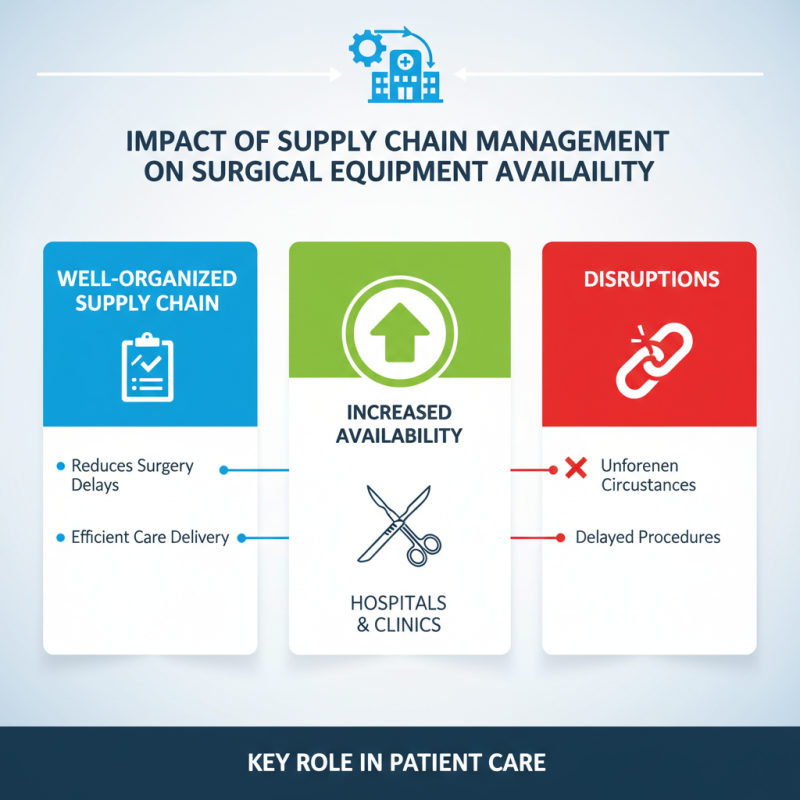
Healthcare facilities are increasingly challenged to manage their budgets while ensuring high-quality surgical care. Surgical supplies account for a significant portion of operational expenses, with reports indicating that they represent nearly 40% of total supply costs in hospitals. This statistic underscores the urgent need for effective budgeting strategies. Unfortunately, many facilities struggle with estimating these costs accurately, leading to potential shortages or overspending.
A detailed cost analysis reveals that surgical supplies can vary greatly in price, often influenced by factors like bulk purchasing and supply chain management. In fact, facilities that adopt a data-driven approach to procurement can save up to 15% on their surgical supply bills. However, without a comprehensive understanding of usage patterns and demand forecasts, healthcare professionals may find themselves overstocking items that are seldom used. This inefficiency highlights a critical area for improvement.
As healthcare demands escalate, ensuring that supplies remain budget-friendly is paramount. Facilities must prioritize inventory management and consider cost-effective sourcing without compromising quality. The challenge lies in finding the balance between cost and care excellence. Regular assessments of supply usage and cost trends can help in refining budget forecasts and improving sustainability in surgical care.