What Is the Best Breg Polar Care Cube?
Choosing the best breg polar care cube requires more than comparing prices or star ratings. Patients often want a simple answer after surgery: which unit stays cold, fits securely, and remains comfortable beside the bed? The answer depends on the procedure, swelling pattern, body area, clinician’s protocol, and available accessories. No single model wins every recovery.
Breg’s Polar Care Cube system is designed to circulate chilled water through an anatomical pad. Its practical value lies in consistent contact, manageable setup, and controlled use at home. However, product performance can vary with pad placement, ice-to-water ratios, tubing position, and cleaning habits. A cold pad that shifts during sleep is not a minor inconvenience. It can reduce coverage and create uneven skin exposure.
Industry research provides useful context, but it should not replace clinical judgment. The 2024 MarketsandMarkets analysis of the cold pain therapy market identifies growing demand for non-drug recovery options, driven by outpatient surgery and home-based care. That trend supports interest in devices like Breg’s system, but market growth does not prove that one model is medically superior. The American Academy of Orthopaedic Surgeons also recognizes cold therapy as a common method for managing postoperative pain and swelling, while emphasizing safe duration and skin monitoring.
This guide compares Breg Polar Care Cube options through practical and clinical lenses. It examines pad design, cooling consistency, portability, maintenance, noise, replacement costs, and user feedback. The comparison may still have limits. Personal comfort is difficult to measure, and manufacturer specifications cannot capture every real-world recovery experience. Always follow the prescribing clinician’s instructions, especially after surgery or when sensation is reduced.
Breg Polar Care Cube: Purpose, Design, and Core Features
What Is the Best Cold-Compression Therapy Device?
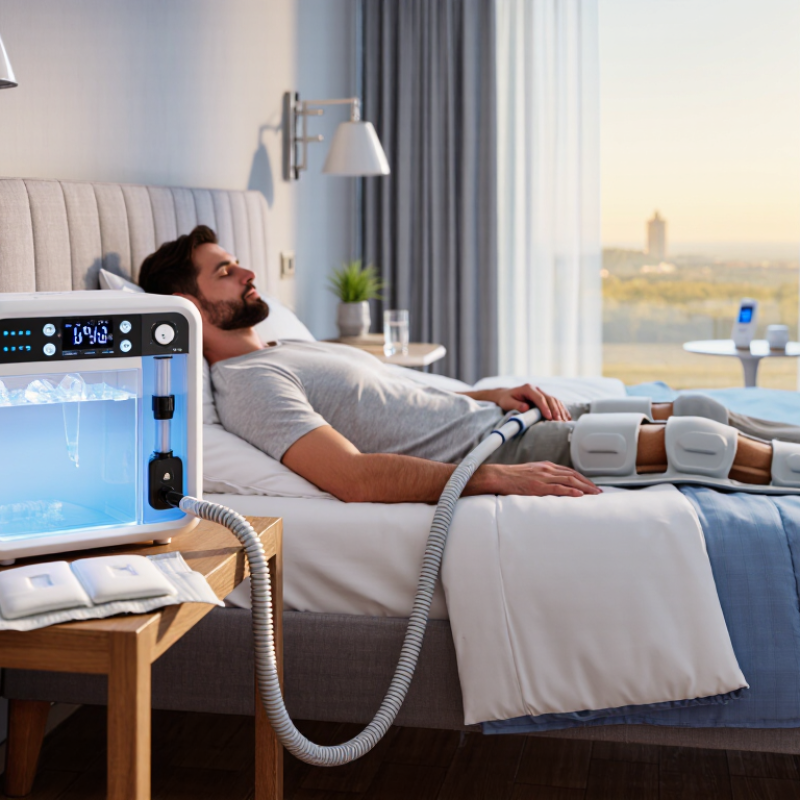
A cold-compression therapy unit is designed to reduce swelling, discomfort, and heat after orthopedic procedures or strenuous activity. It circulates chilled water through a contoured pad while gentle pressure supports the treatment area. The design is simple: an insulated reservoir, a small pump, tubing, and interchangeable anatomical pads. In practice, the pad should feel evenly cool, not painfully cold. That distinction matters.
The World Health Organization reports that musculoskeletal conditions affect about 1.71 billion people worldwide. This figure explains the demand for practical recovery tools, but it does not prove that every cooling device works equally well. A 2023 systematic review in the Journal of Athletic Training found that cryotherapy may reduce pain and swelling after exercise or surgery, although study methods varied. Evidence is useful. It is not perfect.
Core features deserve close attention. Look for steady water circulation, adjustable compression, clear temperature guidance, and a reservoir large enough for several hours. A quiet pump can improve sleep and home use. Soft, washable covers also reduce skin irritation. I have found that poor fit weakens the experience, even when the machine itself performs well. Users should check circulation, sensation, and skin color regularly, especially after surgery. More cooling is not always better.
Cold Therapy System: Purpose, Design, and Core Features
| Evaluation Dimension |
Recommended Standard |
Purpose and Practical Considerations |
| Primary Purpose |
Post-injury support |
Designed to deliver localized cold therapy that may help reduce temporary pain, swelling, and discomfort after surgery, exercise, or soft-tissue injury. |
| Cooling Method |
Ice-and-water circulation |
A reservoir containing ice and water provides chilled fluid, while a small pump circulates it through an attached therapy pad for more consistent coverage than a basic cold pack. |
| Temperature Control |
Passive cooling |
The cooling level is generally influenced by the amount of ice, water temperature, room temperature, and circulation rate. It should not be treated as a precision medical temperature-control device. |
| Compression Function |
Usually limited or absent |
A circulating-cold-water system primarily provides cooling. If adjustable compression is required, a separate compression system or a model specifically designed for compression should be considered. |
| Therapy Pad Design |
Anatomy-specific fit |
The best pad should match the treatment area, such as the knee, shoulder, ankle, hip, or back. Broad pad coverage can improve contact, while excessive tightness may interfere with circulation. |
| Contact Layer |
Protective barrier required |
A cloth layer or approved barrier should be placed between the pad and skin unless the manufacturer’s instructions state otherwise. Direct prolonged exposure to cold can cause skin injury. |
| Portability |
Short-term home use |
A compact reservoir and integrated handle make this type of system practical for home recovery, although the need for ice, water, and access to power can limit travel convenience. |
| Power Requirement |
Electrical pump operation |
The circulation pump normally requires a standard electrical outlet. Users should keep electrical connections dry and follow the supplied operating and safety instructions. |
| Operating Maintenance |
Simple routine care |
After use, the reservoir and pad tubing should be emptied, dried, and stored cleanly to help reduce odors, residue, and microbial growth. |
| Usability |
Low-complexity setup |
A practical design should make filling, draining, pad connection, and pump activation easy for users who may have limited mobility after a procedure. |
| Safety Features |
Instruction-led safety |
Important safeguards include regular skin checks, avoiding excessive duration, preventing tubing kinks, and stopping use if numbness, discoloration, burning, or worsening pain occurs. |
| Best Use Scenario |
Routine localized recovery |
This type of system is most suitable when a clinician recommends intermittent cold therapy for a specific body area and the user can safely monitor skin condition and circulation. |
| Selection Priority |
Fit, reliability, and safety |
The strongest overall choice is the system with an appropriate anatomical pad, dependable circulation, clear instructions, easy cleaning, and a design compatible with the user’s recovery plan. |
How the Breg Polar Care Cube Works
A portable cold therapy cube uses chilled water to cool an injured area steadily. Its reservoir holds ice and water, while a small pump moves the mixture through a connected pad. The pad rests around a knee, shoulder, ankle, or other treatment area. Cold reduces local blood flow, which may help limit swelling and ease pain after surgery or physical strain.
In practical use, the pad should feel cold, not painfully numb. A thin cloth barrier protects the skin from excessive exposure. Many clinicians recommend short treatment sessions, regular skin checks, and careful attention to the treatment plan. The pump must sit securely, and the tubing should remain free from sharp bends. If circulation stops, the pad may warm unevenly.
The best unit is not always the coldest one.
Ease of filling, quiet operation, pad fit, and simple temperature control matter more during recovery. I have found that patients often overlook the seal around the reservoir, then discover a small leak beside the chair. That detail can be frustrating. It is also easy to assume longer sessions work better, but that is not reliably true. People with reduced sensation, circulation problems, or unusual swelling should seek clinical advice before use. Persistent numbness, skin discoloration, or increasing pain requires prompt attention.
Key Factors for Choosing the Best Breg Polar Care Cube
The best Breg Polar Care Cube depends on your recovery needs, not popularity alone. Start with the affected area. A shoulder, knee, or ankle may require a different pad shape and coverage. The pad should sit evenly against the skin without tight pressure. Check the tubing length, too. A short tube can make resting awkward.
Cooling performance matters, but comfort matters just as much. Look for steady circulation, simple temperature control, and a reservoir that is easy to fill. The unit should run quietly beside a bed or chair. Examine the insulation around the pad, since excessive moisture can irritate healing skin. Follow the care team’s instructions, especially after surgery. Cold therapy may not suit everyone, including people with reduced sensation or circulation problems. Personal experience is useful, but clinical guidance is safer. I would not choose a device based only on attractive claims.
Tips: Confirm pad compatibility before purchase. Test the fit while sitting and standing. Use a thin protective layer if instructed. Keep the skin dry, and check it regularly for unusual redness, numbness, or discomfort. Clean the reservoir as directed. Do not ignore small problems. A leaking connector or uneven cooling can become frustrating during recovery. Also, ask about replacement pads, return policies, and warranty support. These details seem minor, yet they can matter when mobility is limited.
Comparing Breg Polar Care Cube Models and Accessories
Choosing the best cold therapy unit depends on recovery goals, not appearance. The standard cube-style model uses a simple cooler reservoir, water, and frozen bottles. It suits knee, shoulder, and ankle recovery at home. Its main advantage is reliability. There are fewer controls to fail. A powered model adds adjustable compression and more consistent pressure. That may help users managing substantial swelling, but it costs more and needs careful fitting. In practice, excessive pressure can feel uncomfortable around fresh incisions.
Accessories often decide daily convenience. A universal wrap may fit several joints, while a dedicated knee or shoulder pad usually offers better contact. Check tubing length before buying. A short line can make resting on a sofa surprisingly awkward. Replacement pads, insulation sleeves, and extra connectors reduce interruptions during repeated sessions. Some kits also include a carry bag, which matters when appointments involve stairs or public transport. Battery operation sounds useful, although many units still depend on a wall outlet.
The American Academy of Orthopaedic Surgeons describes cryotherapy after knee replacement as potentially helpful, but notes limited supporting evidence. A 2023 systematic review also found modest, inconsistent improvements in early pain and swelling. That uncertainty matters. Choose adjustable compression only when a clinician approves it, especially after surgery or with circulation concerns. The best comparison is practical: cooling consistency, pad fit, cleaning effort, and warranty support. Fancy controls are not always better. I would still measure the joint first; guessing can lead to poor coverage.
Which Cold-Therapy System Is Best? Comparing Models and Accessories
A practical comparison of common cold-therapy system types using cooling duration, reservoir capacity, and included accessory coverage.
Extended-capacity systems generally provide longer cooling time, while compression models add recovery support but may require more equipment. Accessory coverage represents the number of practical components typically included, such as a wrap, tubing, insulation, and carrying case.
Safe Use, Maintenance, and Expected Performance
The best cold-therapy cube is not defined by maximum chill. Safe use matters more.
A Cochrane review of cryotherapy after knee replacement found limited, low-quality evidence for reducing pain and swelling. That finding deserves attention. Cold therapy may support recovery, but it does not replace clinical assessment or prescribed rehabilitation. Use a thin, dry barrier between the pad and skin. Check the skin every 15–20 minutes for unusual paleness, burning, numbness, or blotchy redness. Stop immediately when these signs appear. People with reduced sensation, circulation disorders, or healing concerns should seek professional advice before use.
Keep the reservoir clean and empty it after each session. Replace the water regularly. Inspect the hose, seals, and pad for leaks, stiffness, or discoloration. A 2023 FDA home-use medical device report emphasized clear instructions, routine inspection, and user training as important safety controls. The unit should feel comfortably cold, not painfully icy. Typical sessions last 15–30 minutes, but the treating clinician’s plan should control. Do not sleep with the device running unless specifically instructed.
Expected performance is modest. The pad should cool evenly, maintain water flow, and remain comfortable against the joint. It should not create dramatic skin changes. In practice, small air pockets can reduce contact and cooling. I have found that positioning matters more than extra coldness. Performance may also decline when tubing kinks or the reservoir is overfilled. These are easy mistakes, yet they are often overlooked.