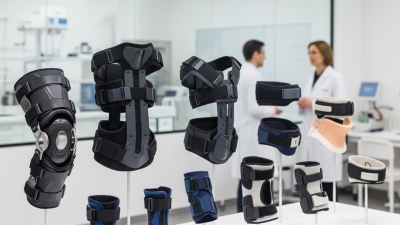
Choosing the right recovery tool can feel surprisingly difficult after surgery or an athletic injury. The Breg Polar Care system offers a practical approach to cold therapy, combining chilled water with controlled circulation around the affected area. This design may help manage temporary pain and swelling when used as directed by a qualified healthcare professional.
breg polar care is often selected for its reusable setup and focused application. A typical session may involve filling the unit, connecting the pad, and checking the skin regularly. The steady cooling can feel more consistent than a loose ice pack. That difference matters when comfort, timing, and convenience affect daily recovery. Still, personal experience varies. Some users may find the pad bulky, or the cold too intense without proper adjustment.
Clinical guidance remains important. A healthcare provider should recommend the appropriate duration, temperature, and pad placement for each condition. People with reduced sensation, circulation concerns, or sensitive skin may need additional precautions. Never place ice directly against the skin. Check for unusual numbness, discoloration, increased pain, or irritation, and stop use if these symptoms appear.
A reliable cold therapy choice should support recovery, not replace professional care. Breg Polar Care systems may offer useful structure during rest, rehabilitation, or home treatment. Yet no device works perfectly for everyone. Reviewing the instructions, fitting the pad carefully, and communicating with a clinician can make the experience safer and more effective.
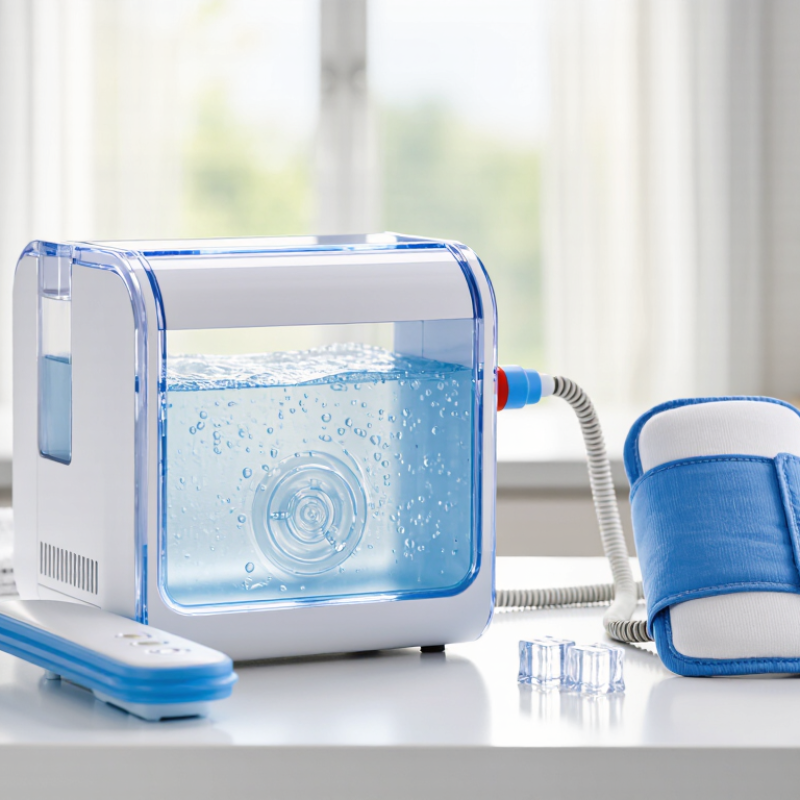
A cold therapy system circulates chilled water through a soft, contoured pad. The pad rests around a sore joint, such as the knee, shoulder, or ankle. A small cooler holds ice and water, while tubing carries the cooled flow to the treatment area. This design helps maintain steadier contact than a loose ice bag.
The cooling effect may reduce local swelling and numb discomfort for short periods. Some systems also provide gentle compression, which can support fluid control around recovering tissue. The pressure should feel supportive, not painful. Treatment times vary, so users should follow their clinician’s instructions and check the skin regularly.
Comfort matters.
In practical use, a towel between the pad and skin can improve comfort. Skin that becomes pale, blotchy, unusually cold, or painful needs attention. The system is not a cure, and colder is not always better. That point is easy to overlook after surgery or strenuous activity. A fitting pad can shift with movement, and the temperature may change as the ice melts. Users should inspect the tubing, refill the cooler when needed, and keep the area dry. People with reduced sensation or circulation problems should seek professional guidance before use. There is room for reflection here: convenient equipment still requires careful observation.

Cold therapy systems are designed to deliver consistent cooling after surgery, exercise, or joint strain. Their main advantage is controlled cold, rather than the uneven temperature of a loose ice pack. A water-filled reservoir circulates chilled fluid through a shaped pad. This can help maintain contact around the knee, shoulder, ankle, or other treatment area. The insulated pad also reduces dripping and keeps the setup cleaner.
Key features include adjustable straps, anatomical pad designs, and a compact reservoir that can sit beside a chair or bed. Some models combine cooling with gentle compression, which may improve comfort when fitted correctly. The controls should be simple enough for a patient or caregiver to manage. Clear markings matter. Small details often prevent mistakes.
Easy to handle.
Quiet operation helps.
A reliable system still requires careful use. The pad should not press tightly against numb skin, broken skin, or areas with poor circulation. Following a clinician’s instructions is essential, especially after surgery. Temperature, treatment time, and compression may need adjustment. No device suits every person. A bulky reservoir can limit movement, while frequent refilling may become inconvenient. Those trade-offs deserve honest consideration before use. Inspecting the skin during treatment remains a practical safety step, even when the system feels comfortable.
This chart presents common functional capabilities found in reusable cold therapy systems. A score of 1 indicates that the capability is supported; the comparison is non-brand-specific and does not represent manufacturer specifications.
Cold therapy systems can help manage pain and swelling after injury or surgery. They circulate chilled water through a fitted pad, creating steady cooling around a targeted joint. This controlled approach may feel more consistent than a loosely wrapped ice pack. It can also reduce the need to repeatedly replace melting ice.
Clinicians commonly recommend cold therapy after knee, shoulder, ankle, or hip procedures. Athletes may use it for sprains, strains, and exercise-related soreness. Cooling can make movement more comfortable during early rehabilitation. Some systems also provide gentle compression, which may support swelling control when medically appropriate. The benefit is practical: a patient may sleep better, complete exercises, or tolerate daily movement with less discomfort.
Cold therapy is not a cure. Results vary between patients. Skin sensation, circulation, and surgical instructions matter. A clinician should confirm the correct temperature, duration, and pad placement. Users should check the skin regularly for unusual numbness, blotching, burning, or increased pain. Never place extreme cold directly against bare skin.
The overlooked detail is consistency. A system used incorrectly may offer little value or cause harm. It is also easy to expect instant relief. Improvement can be gradual, especially after major surgery. Careful monitoring and honest feedback help clinicians adjust treatment safely.
Choosing a cold therapy system often comes down to daily convenience, not impressive specifications. A compact unit can sit beside a sofa or bed, making treatment easier after surgery or exercise. The wrap should fit securely without feeling restrictive. Simple controls matter when movement is limited.
Comfort depends on more than temperature. A soft, adjustable pad can spread cooling across the joint without creating harsh pressure points. Some systems use a small reservoir and a pump to circulate chilled water steadily. That can feel gentler than repeatedly replacing loose ice packs. A quiet motor also helps during rest. Small detail. Big difference.
Ease of use becomes especially important during recovery. Clear filling instructions, wide openings, and easy-to-clean parts reduce frustration. Clinicians often recommend following the prescribed timing and checking the skin regularly. Numbness, unusual redness, or increased pain deserves attention. Never assume colder means better. I have found that setup can still feel awkward when one hand is sore or weak. A longer hose may help, but it can also catch on furniture. That trade-off is easy to overlook. Reliable performance means the system remains manageable on tired days, not only when everything goes perfectly.
| Evaluation Dimension | Reusable Ice or Gel Pack | Basic Ice Bag | Powered Cold Therapy System |
|---|---|---|---|
| Cooling method | Frozen gel or ice substitute absorbs heat from the treatment area. | Melted ice provides short-term cooling. | A pump circulates chilled water through a connected therapy pad. |
| Temperature consistency | Cooling gradually decreases as the pack warms. | Cooling changes as ice melts and water warms. | Provides more consistent cooling while the reservoir contains sufficiently cold water. |
| Typical treatment duration | Usually requires replacement or refreezing after the pack warms. | Often needs additional ice during longer treatment periods. | Can support extended sessions with periodic water or ice replenishment, depending on reservoir size and conditions. |
| Application fit | May require straps or manual positioning to remain in contact with the body. | Flexible, but shaping and positioning can be inconsistent. | Designed to deliver cooling through a shaped pad that can be secured around the treatment area. |
| Comfort considerations | May become rigid when frozen and can feel uneven against the skin. | Flexible but may become heavy, wet, or difficult to keep in place. | A fitted pad can distribute cooling more evenly; a cloth barrier is still recommended to help protect the skin. |
| Hands-free use | Possible when secured properly, but movement may shift the pack. | Usually requires frequent repositioning or external support. | The pad and tubing allow more practical hands-free use after setup. |
| Setup requirements | Freeze the pack and place it on the treatment area. | Add ice and water, then position the bag. | Fill the reservoir, connect the pad and tubing, and place the unit near a suitable power source if required. |
| Portability | Very portable when a freezer is available. | Portable, but access to ice and leak-resistant transport is important. | Portable for home or clinic use, although the reservoir and power requirements can add weight and bulk. |
| Leak management | Generally low risk of leakage if the pack remains intact. | Meltwater can leak if the bag is damaged or improperly sealed. | Water is contained in the reservoir and tubing, but connections should be checked before use. |
| Ease of monitoring | The user must monitor pack temperature and skin comfort manually. | The user must monitor melting ice, moisture, position, and skin condition. | The circulating system makes the treatment process more controlled, but users must still follow the instructions and check the skin regularly. |
| Best suited for | Short, occasional treatments and simple home use. | Low-cost, temporary cooling when ice is readily available. | Users seeking a more structured, comfortable, and repeatable cold therapy routine. |
| Important safety point | Avoid direct prolonged contact with bare skin and check for excessive coldness or numbness. | Use a protective barrier and monitor moisture, pressure, and skin color. | Follow the product instructions, use a skin barrier when recommended, and stop treatment if unusual pain, discoloration, or excessive numbness occurs. |
Why Choose Cold Therapy Systems?
Safety begins with patient selection, not with the device. Cold therapy may support comfort and reduce swelling after selected orthopedic procedures. It should be used under a clinician’s guidance, especially during the first postoperative days. Assessment should include skin condition, circulation, sensation, and the patient’s ability to report discomfort.
Patients with reduced sensation, vascular disease, cold intolerance, or fragile skin may need another option. Extra caution is appropriate for people with diabetes, cognitive impairment, or limited mobility. A sleeping or heavily medicated patient may not notice excessive cold. That matters. A thin protective barrier should separate the pad from the skin. The treatment area needs regular inspection for unusual redness, whitening, numbness, blistering, or increasing pain.
Practical details also influence safety. The pad should fit securely without restricting circulation. Water and ice levels must follow the prescribed instructions. Treatment duration should never be extended casually. Longer is not always better. In clinical settings, staff may record skin checks and patient responses, creating a clearer safety trail. Home users need simple written instructions and a reachable contact number. A useful protocol is rarely perfect; swelling, pain, and tolerance can change within hours. If symptoms worsen, treatment should stop and medical advice should be sought. Safety depends on observation, not equipment alone.
2382 Faraday Avenue, Ste 300
Carlsbad, CA 92008
The materials on this website are for your general educational information only. Information you read on this website cannot replace the relationship that you have with your healthcare professional. We do not practice medicine or provide medical services or advice as a part of this website. You should always talk to your healthcare professional for diagnosis and treatment.
©2025 Breg, Inc. All rights reserved. All trademarks and registered trademarks are owned by the copyright holder.