What Are the Best Medical Braces for Effective Support?
When dealing with injuries or chronic pain, many individuals turn to braces medical for support. These devices can be essential in aiding recovery and improving mobility. Choosing the right brace can be overwhelming, given the variety available. Each type serves a specific purpose, catering to different needs.
For instance, knee braces provide stability for sports injuries, while back braces assist with posture. Not all braces medical are created equal, and some may even cause discomfort if not fitted properly. It's crucial to consider factors such as size, design, and material when selecting a brace.
Consulting with a healthcare professional can help in making an informed decision. Relying on expert advice ensures that one chooses the most effective support. In the end, understanding the specific requirements of each condition can lead to better outcomes and a more fulfilling recovery journey.
Types of Medical Braces and Their Functions
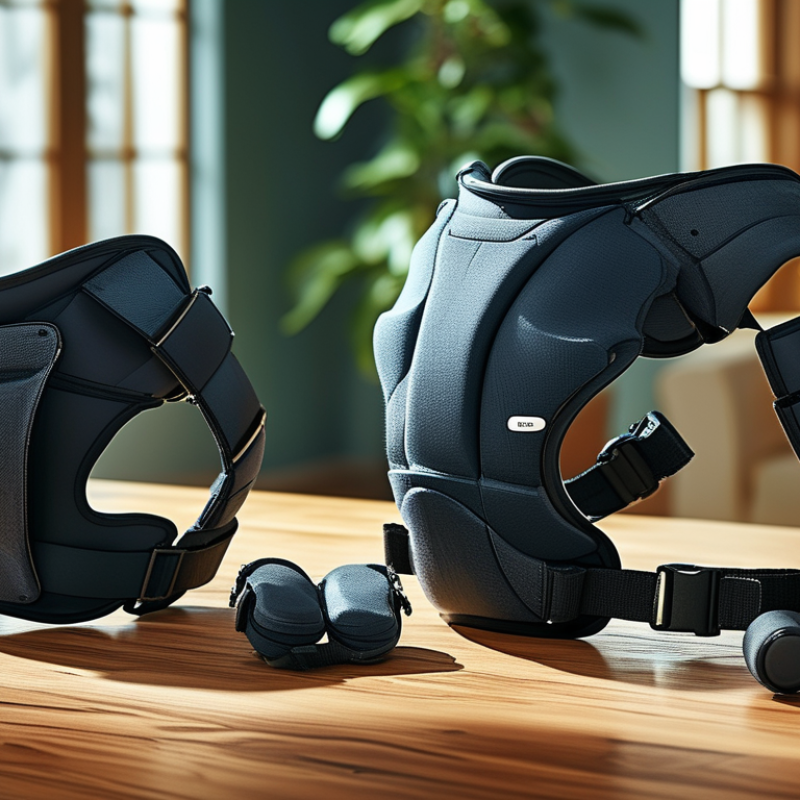
Medical braces play a crucial role in providing support for various injuries and conditions. Different types serve unique functions. For instance, back braces support the spine, helping to alleviate pain and improve posture. They are often used for herniated discs or after surgeries. Knee braces stabilize the joint during recovery and prevent further injury. Many athletes rely on them for extra support during physical activities.
Wrist and ankle braces offer protection for repetitive strain injuries and sprains. These braces can restrict movement, allowing the injured area to heal properly. Even beyond injuries, orthopedic braces can manage chronic conditions like arthritis. They help reduce pressure on joints, improving mobility in daily life.
Choosing the right brace can be challenging. Not all braces fit perfectly or provide adequate support. Consulting with a healthcare professional can ensure you select the most effective option. Feedback from users varies, highlighting the importance of trial and error. It's essential to remember that what works for one person may not work for another. Adjustments may be necessary to achieve comfort and proper alignment.
Factors to Consider When Choosing a Medical Brace
Choosing the right medical brace is crucial for effective support. There are several factors to keep in mind. Comfort is paramount. A brace should fit snugly but not restrict blood flow. Consider the material used. Breathable fabrics can help in maintaining a comfortable temperature. This is important, especially during extended wear.
Another factor is the level of support required. For moderate injuries, a light brace may suffice. More serious issues, however, might need a rigid brace for stability. Look into the brace's adjustability features. A good brace allows for modifications as swelling or pain fluctuates. These adjustments can enhance its effectiveness.
When assessing options, think about your lifestyle. If you are active, a lightweight and low-profile brace may work best. This way, you can continue with daily activities. Yet, some may require a bulkier brace for maximum support during recovery. Reflect on your needs and be prepared to try different styles. Finding the right fit might take time, and that’s okay. Pay attention to your body’s responses as well. It’s essential to make any necessary changes based on comfort and effectiveness.
What Are the Best Medical Braces for Effective Support? - Factors to Consider When Choosing a Medical Brace
| Brace Type |
Support Level |
Material |
Comfort Rating |
Ideal For |
| Knee Brace |
Medium to High |
Neoprene |
8/10 |
Arthritis, Sprains |
| Wrist Brace |
Low to Medium |
Cotton, Velcro |
7/10 |
Tendonitis, Carpal Tunnel |
| Ankle Brace |
Medium |
Elastic, Neoprene |
9/10 |
Sprains, Instability |
| Back Brace |
High |
Durable Fabric |
8/10 |
Lower Back Pain, Posture |
| Shoulder Brace |
Medium to High |
Breathable Mesh |
8/10 |
Rotator Cuff Injuries |
Benefits of Using Medical Braces for Injury Recovery
Medical braces play a significant role in injury recovery. Research indicates that their use can lead to faster healing times and improved mobility. For instance, a study published in the Journal of Orthopedic Research found that patients using braces for knee injuries experienced a 30% increase in recovery speed compared to those who did not. This statistic highlights the importance of appropriate support during rehabilitation.
Braces provide stability and reduce stress on injured areas. Many patients report decreased pain levels when wearing braces. A survey conducted by the American Academy of Orthopedic Surgeons revealed that 70% of users felt more secure while performing daily activities with the help of a brace. This benefit is crucial for mental health during recovery, as patients often worry about reinjury.
However, wearing braces isn’t without challenges. Some individuals may find them uncomfortable or restrictive. Educating patients about proper usage is vital for maximizing benefits. Without a clear understanding, compliance can dwindle. Additionally, over-reliance on braces can hinder muscle strength development, making it essential to balance their use with exercises guided by healthcare professionals.
Common Conditions Treated with Medical Braces
Medical braces play a vital role in treating various conditions. They provide support and stability to injured or weakened areas. Commonly, these braces are used for conditions like arthritis, tendonitis, and sports injuries. Each condition requires specific types of braces to ensure maximum support and comfort.
For instance, knee braces often help those suffering from arthritis. They can alleviate pain and improve mobility. Ankle braces are another example, frequently used for sprains. They stabilize the ankle during recovery and prevent further injury. Back braces also serve a critical function. They assist individuals with chronic back pain by offering support and encouraging proper posture.
Choosing the right brace may feel overwhelming. With multiple options available, it's essential to consult a healthcare professional for guidance. They can provide insights tailored to individual needs. Sometimes, personal comfort and fit might need adjustments. Listening to one's body is crucial during recovery. It’s not just about wearing the brace; it’s about ensuring it aids in healing effectively.
Common Conditions Treated with Medical Braces
Proper Care and Maintenance of Medical Braces
Proper care and maintenance of medical braces are crucial for their effectiveness and longevity. Regularly inspecting the condition of straps, padding, and hinges ensures that the brace provides optimal support. Studies show that approximately 30% of users neglect these inspections, which can lead to reduced performance and comfort.
Cleaning your brace can prevent skin irritation, which affects about 15% of users according to clinical reports. Use mild soap and water to clean the materials, and ensure that they are completely dry before wearing them again. Frequent washing can extend the life of your brace, but be cautious not to damage any electronic components if they are present.
Storage also matters greatly. A designated space that protects your brace from moisture and extreme temperatures helps maintain its shape and function. It's recommended that braces not be stored in direct sunlight, as UV rays can weaken the materials over time. Despite this knowledge, many individuals often overlook proper storage. This neglect can significantly affect the brace's support capabilities, leading to unnecessary discomfort during use.